Lifestyle Products
-
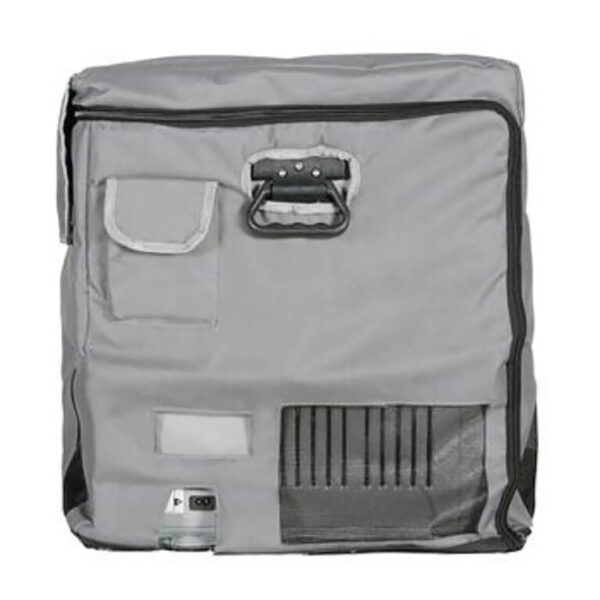
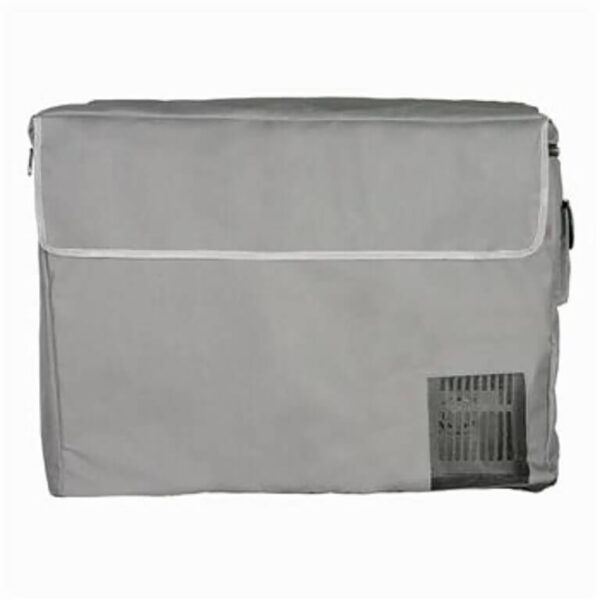
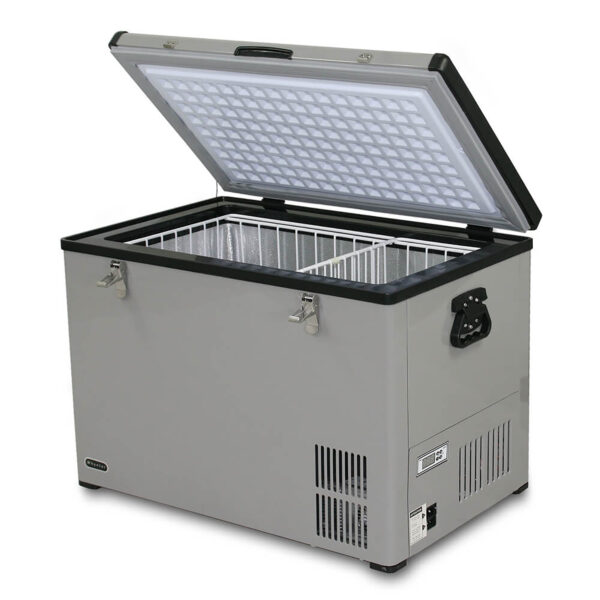
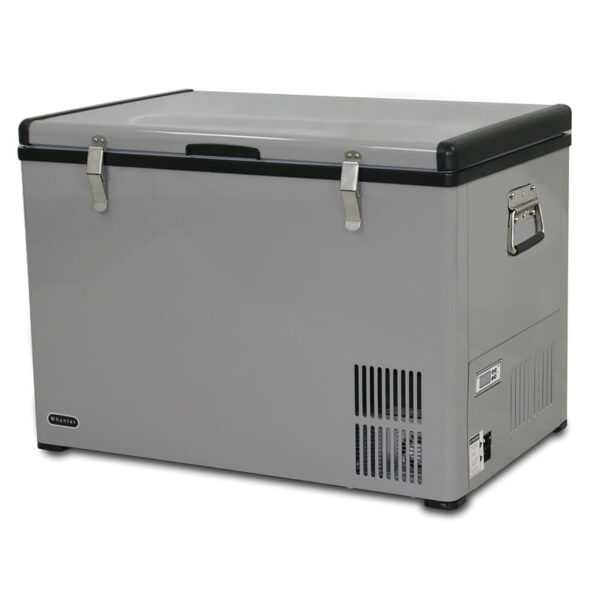
FM-4TBG Portable freezer transit bag
Whynter FM-4TBG Transit Bag
-
FM-85G Portable freezer transit bag-1-1

Whynter FM-85G Transit Bag
Choosing the Right Product
What is a cigar humidor cooler, and how is it different from a traditional humidor?
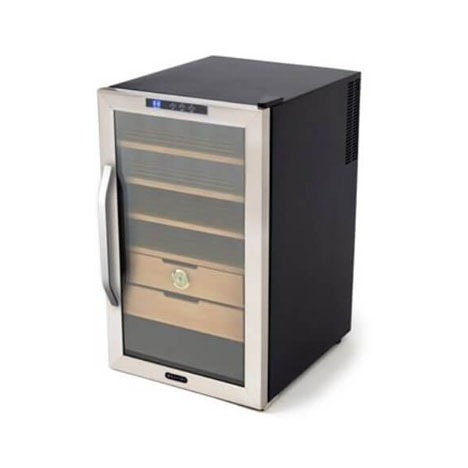
A cigar humidor cooler (also called an electric humidor or cigar fridge) is a powered cabinet that holds cigars at a stable temperature and humidity. A traditional desktop humidor controls humidity only and depends on your room staying comfortable; an electric cigar cooler actively cools the cabinet, while Spanish cedar shelving and a humidification system keep humidity steady. That protects cigars from summer heat spikes, winter dryness, and tobacco beetles year-round.
What temperature should cigars be stored at?
Store cigars between 60°F and 70°F (16–21°C). Staying below about 72°F matters most, because tobacco beetle eggs can hatch in warmer conditions, and steady temperatures prevent wrapper cracking and uneven aging. Whynter cigar humidor coolers have adjustable thermostats spanning roughly 52°F to 72°F depending on the cooling system, so every unit can hold cigars comfortably inside the recommended range.
What humidity level should I maintain for cigars?
Keep relative humidity between 65% and 72%. The classic “70/70 rule” (70% RH at 70°F) is a safe benchmark, though many aficionados prefer 65–69% for an easier draw and a more even burn. Below about 62% RH, cigars dry out and lose their essential oils; above 72–75% you risk mold, swollen wrappers, and beetle activity. Monitor conditions with the built-in hygrometer and adjust your humidification accordingly.
Does a cigar cooler control humidity automatically, or do I need humidity packs?
Cooling and humidification are separate jobs. Every Whynter cigar humidor cooler includes a humidification tray and a hygrometer, and select models add digital humidity control that actively regulates the level you set. For hands-off stability, many owners also add two-way humidity packs (such as Boveda) or humidity beads; a common guideline is one large 320-gram pack per cubic foot of interior space. The Spanish cedar interior helps buffer day-to-day swings.
What is the difference between thermoelectric and compressor cigar coolers?
Thermoelectric cooling is vibration-free and very quiet, and it removes less moisture from the air than a standard refrigerator compressor — ideal for cigar storage in climate-controlled rooms. Compressor cooling is more powerful, handles warmer ambient temperatures, and on cigar cabinets is typically paired with an integrated heating function for precise control in both summer and winter. Whynter offers both systems across the cigar humidor cooler line.
What size cigar humidor cooler do I need?
Choose a cabinet rated for at least 30% more cigars than you currently own. Running a humidor at full capacity restricts airflow, which creates humidity dead zones and uneven temperatures. Keep in mind that manufacturer cigar counts assume standard corona-size cigars stored loose; full boxes and larger ring gauges reduce usable capacity. If you plan to age boxes or your collection is growing, size up.
Why do cigar humidors use Spanish cedar shelves?
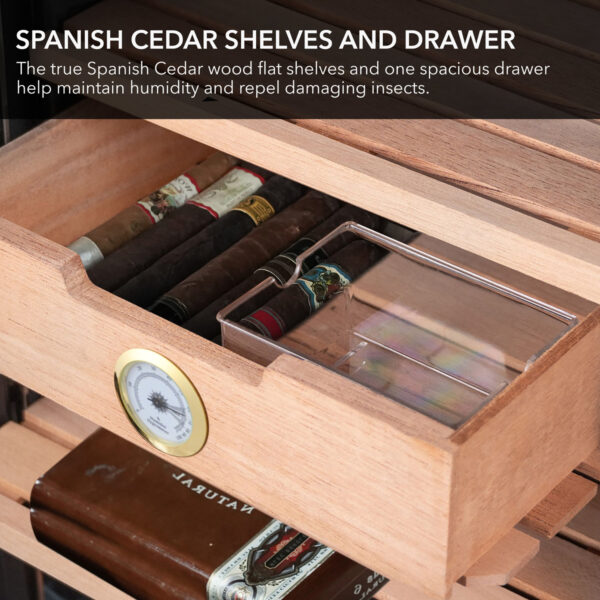
Spanish cedar is the traditional interior wood for cigar storage for three reasons: it absorbs and releases moisture, which buffers humidity swings inside the cabinet; it gives off a light aroma that complements cigar aging; and it naturally helps repel tobacco beetles and other pests. Whynter cigar humidor coolers include removable Spanish cedar shelves and drawers that can be repositioned or taken out to fit boxes.
Do I need to season my cigar humidor cooler before storing cigars?
Yes. Seasoning stabilizes the Spanish cedar so it stops pulling moisture away from your cigars. Either wipe the shelves, drawers, and interior with a clean cloth lightly dampened with distilled water and let the unit run for 24–48 hours until humidity holds steady, or place 84% RH seasoning packs in the closed cabinet for about a week; roughly one seasoning pack per 25 cigars of capacity. Never use tap water, which can introduce minerals and odors.
Where should I place my cigar cooler? Can it go in a garage?
Place the unit indoors in a climate-controlled space, away from direct sunlight and heat sources, with about 4–6 inches of clearance at the sides and back for airflow. Uninsulated garages are not recommended: ambient swings from below freezing to 90°F+ force the unit to run constantly and make stable humidity nearly impossible. Compressor models with integrated heating tolerate wider room temperatures than thermoelectric models.
How loud is an electric cigar humidor?
Quiet enough for an office, den, or bedroom. Whynter’s thermoelectric cigar coolers run vibration-free at roughly whisper level (high-30s dBA), and the compressor cabinets run in the mid-40s dBA — about the level of a quiet library. Low vibration matters beyond comfort: constant agitation can disturb the oils and construction of cigars during long-term aging.
Can I age cigars long-term in a cigar cooler?
Yes — a cigar cooler is one of the best environments for multi-year aging. Hold a steady 65–69% RH and low-to-mid 60s°F, keep the door closed as much as possible, and let the Spanish cedar do its work. At stable conditions, cigars can rest for months or years while their flavors marry and mellow. Consistency is the whole game: fluctuating conditions do more damage than any single “wrong” setting.
Can I store anything besides cigars in a cigar humidor cooler?
The cabinet is designed for cigars, but it can hold other temperature- and humidity-sensitive items — pipe tobacco, chocolate, even certain spirits accessories — just not alongside your cigars. Cigars absorb surrounding aromas, so never share the cabinet with anything strongly scented. If you repurpose the unit, clean it thoroughly before returning cigars to it.
How often should I check or refill the humidification system?
Check the humidification tray every one to two weeks and refill it with distilled water or humidor solution as needed, more often in dry climates, in winter, or if you open the door frequently. If you use two-way humidity packs, replace them every two to four months, or when they feel stiff and dry to the touch. A quick weekly glance at the hygrometer is the best early-warning habit.
How accurate is the built-in hygrometer, and should I calibrate it?
Verify any hygrometer — built-in or add-on — when the unit arrives and every 6–12 months after. Hygrometers commonly drift several percentage points, which is the difference between perfect storage and mold. Use a one-step calibration kit or the salt test (a sealed bag with salt slurry reads 75% RH after 24 hours), then note the offset or adjust your target setting to compensate.
How do I clean my cigar humidor cooler?
Unplug the unit and remove all cigars first. Wipe interior surfaces and shelves with a soft cloth dampened with distilled water or a mild humidor-safe solution, and let everything dry completely before restocking. Never use household cleaners, solvents, or scented products; Spanish cedar holds odors, and your cigars will pick them up. On models with an activated carbon filter, replace the filter periodically to keep the air fresh.
What should I do if the cooler is not holding temperature or humidity?
Work through this checklist before assuming a fault:
- Confirm the unit is level, out of direct sunlight, and has 4–6 inches of clearance for ventilation
- Verify the set temperature and (on applicable models) humidity settings
- Check that the humidification tray or packs are not empty or exhausted
- Inspect the door seal and limit door openings while conditions recover
- Re-check the hygrometer’s calibration before trusting its reading
If the problem persists, consult the troubleshooting section of your user manual or reach Whynter via live chat or the contact page with your model and serial number.
How do I protect my cigars from tobacco beetles?
Tobacco beetle eggs — present in some tobacco from the factory — hatch when temperatures rise above about 72°F, especially with humidity over 72–75%. A cigar cooler is the primary defense: keep the cabinet below 70°F and at 65–72% RH. Inspect new purchases for pinholes or dust before adding them, and Spanish cedar adds a natural deterrent. If you find an infestation, isolate affected cigars in a sealed bag in the freezer for about three days before inspecting the rest.
What warranty comes with Whynter cigar humidor coolers?
Whynter cigar humidor coolers come with a one-year limited warranty. Register your product and find warranty terms on the Warranty Information page, and download manuals from each product page or Product Support. For help, Whynter offers 24/7 Live Chat and the Contact & Registration page.