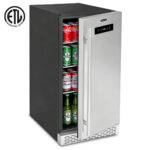
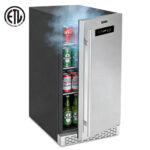
Whynter BEF-286SB 15″ Built-in Beer Keg Froster Beverage Refrigerator
Product Summary
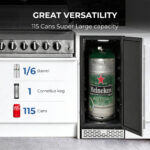
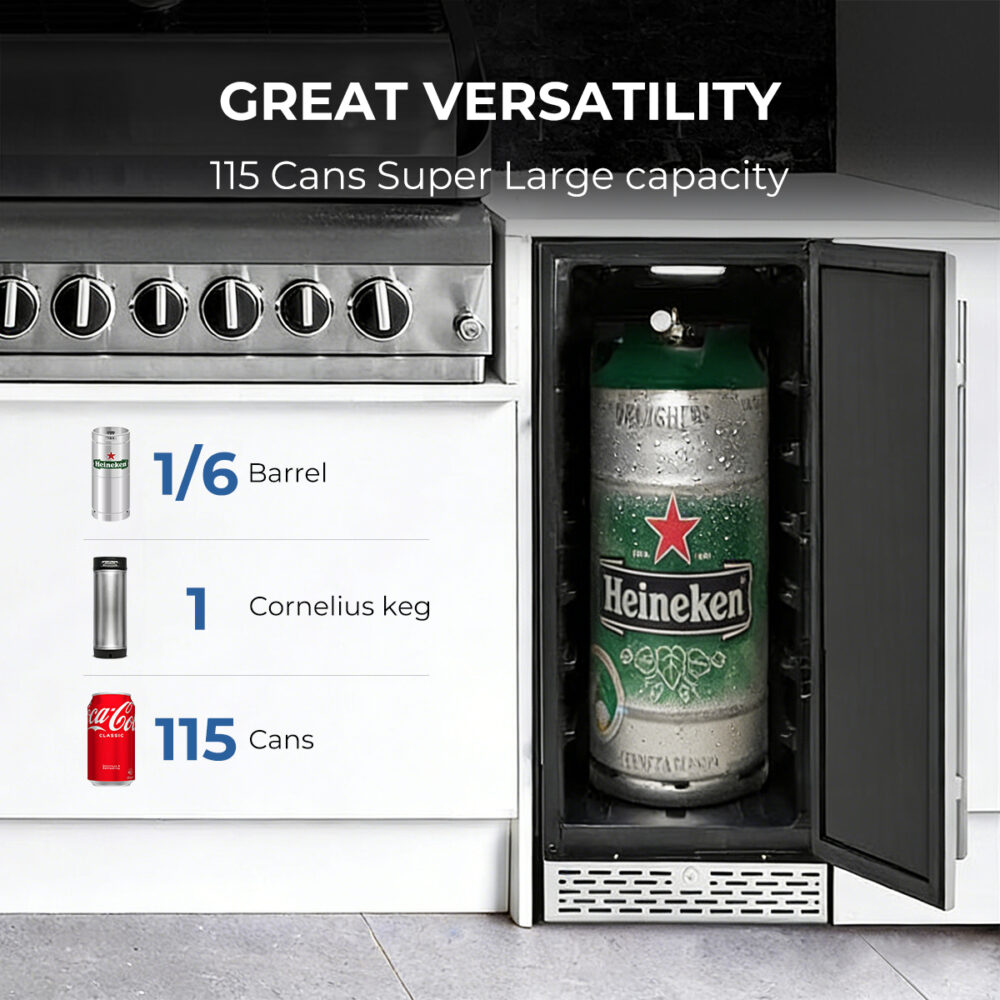
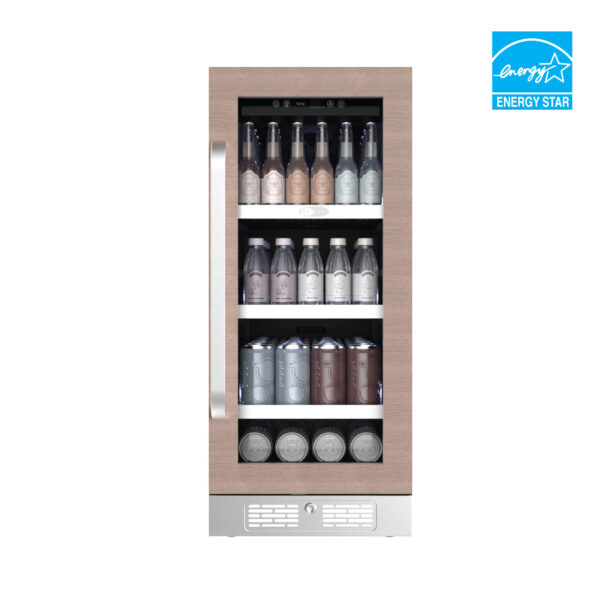
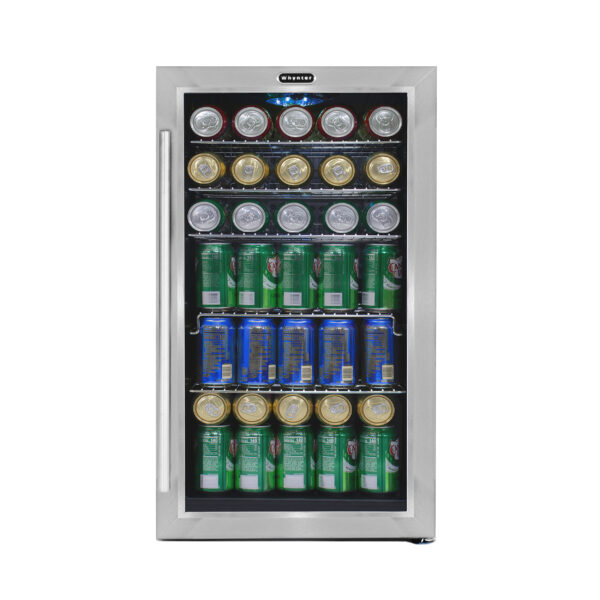
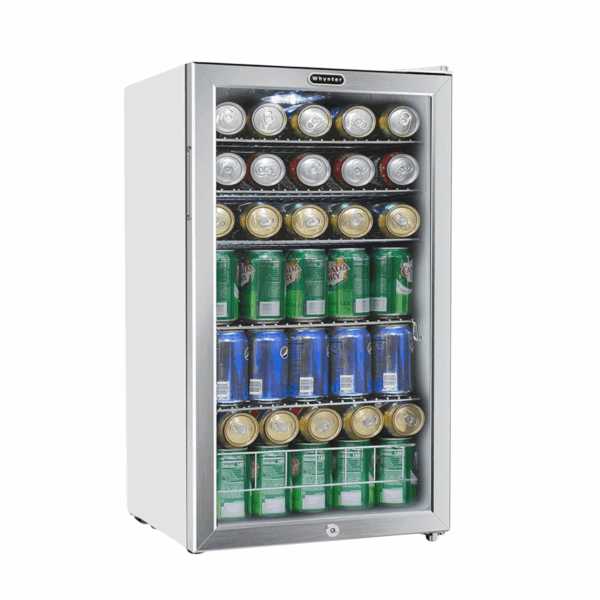
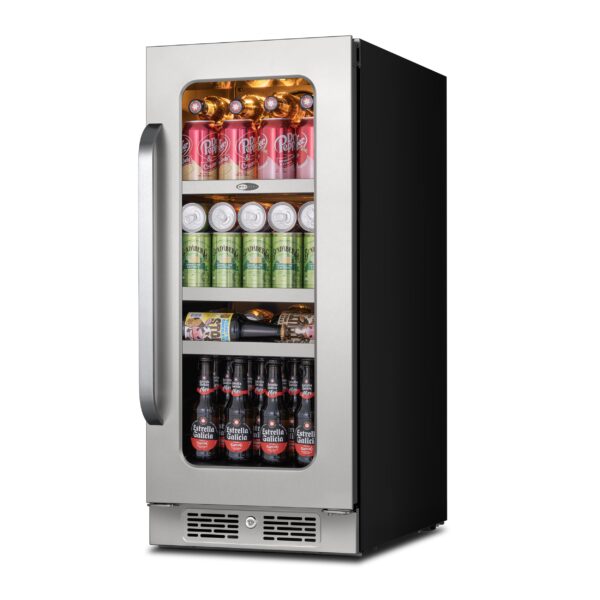
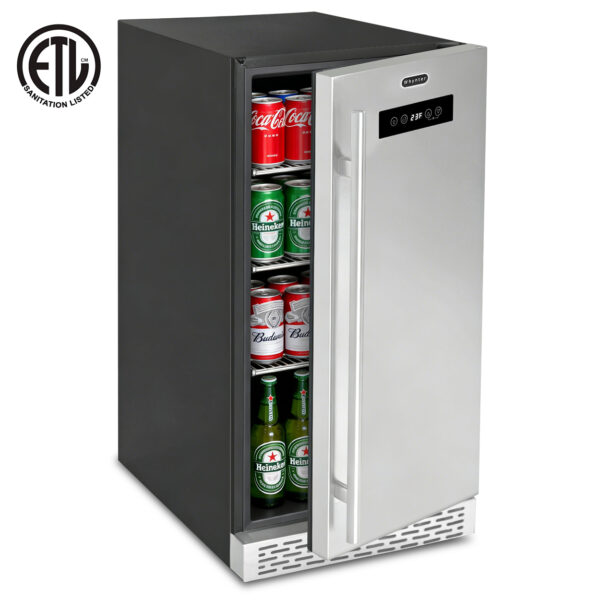
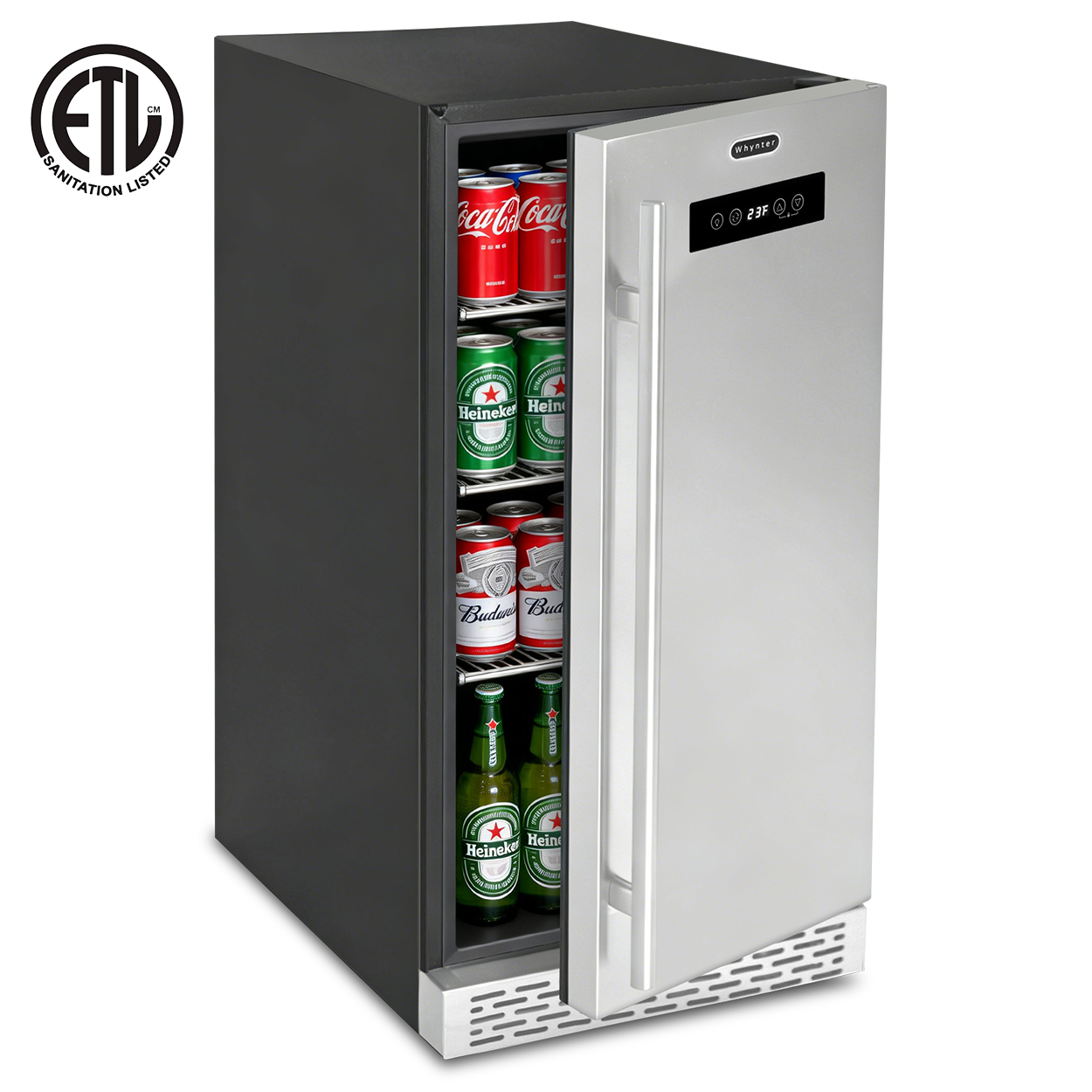
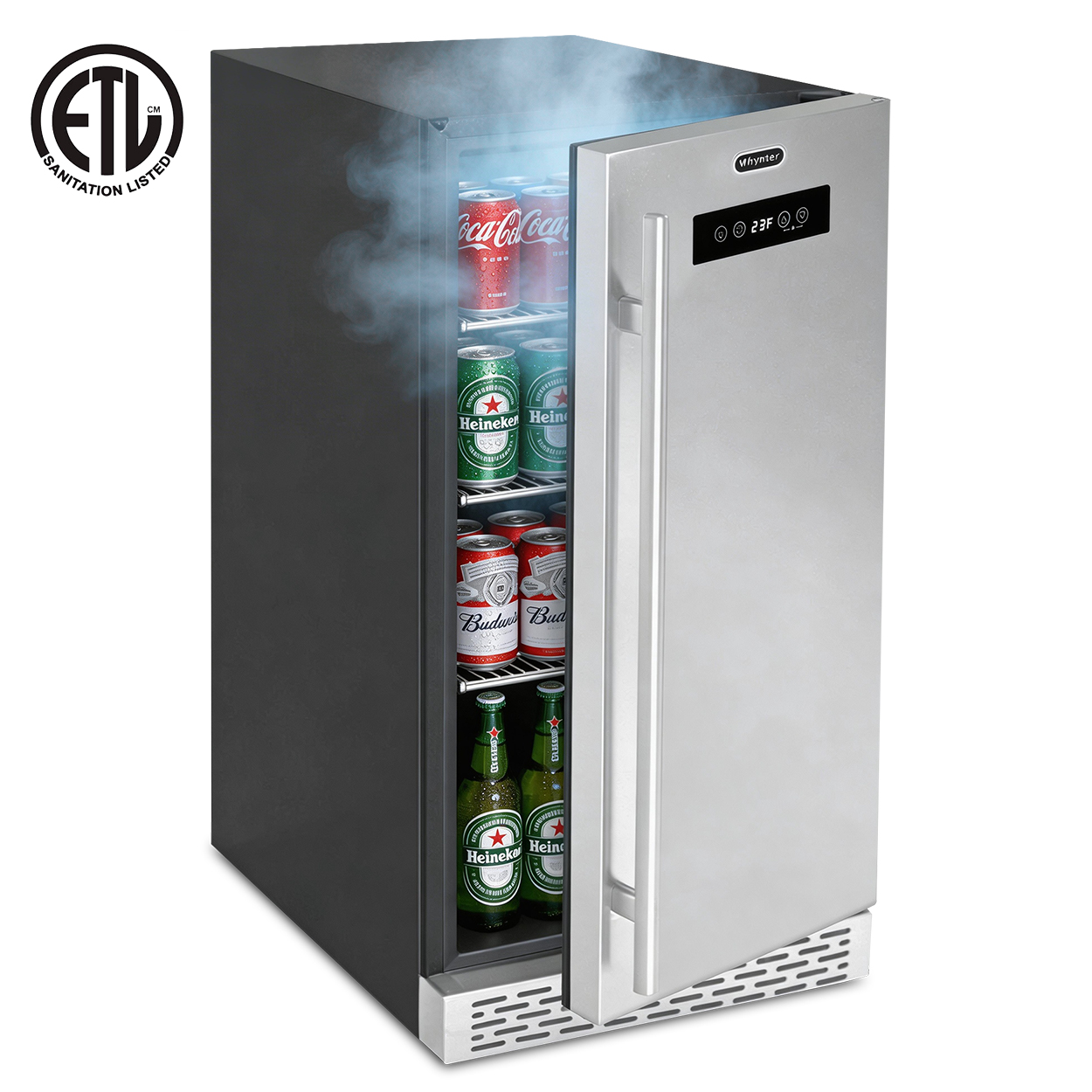
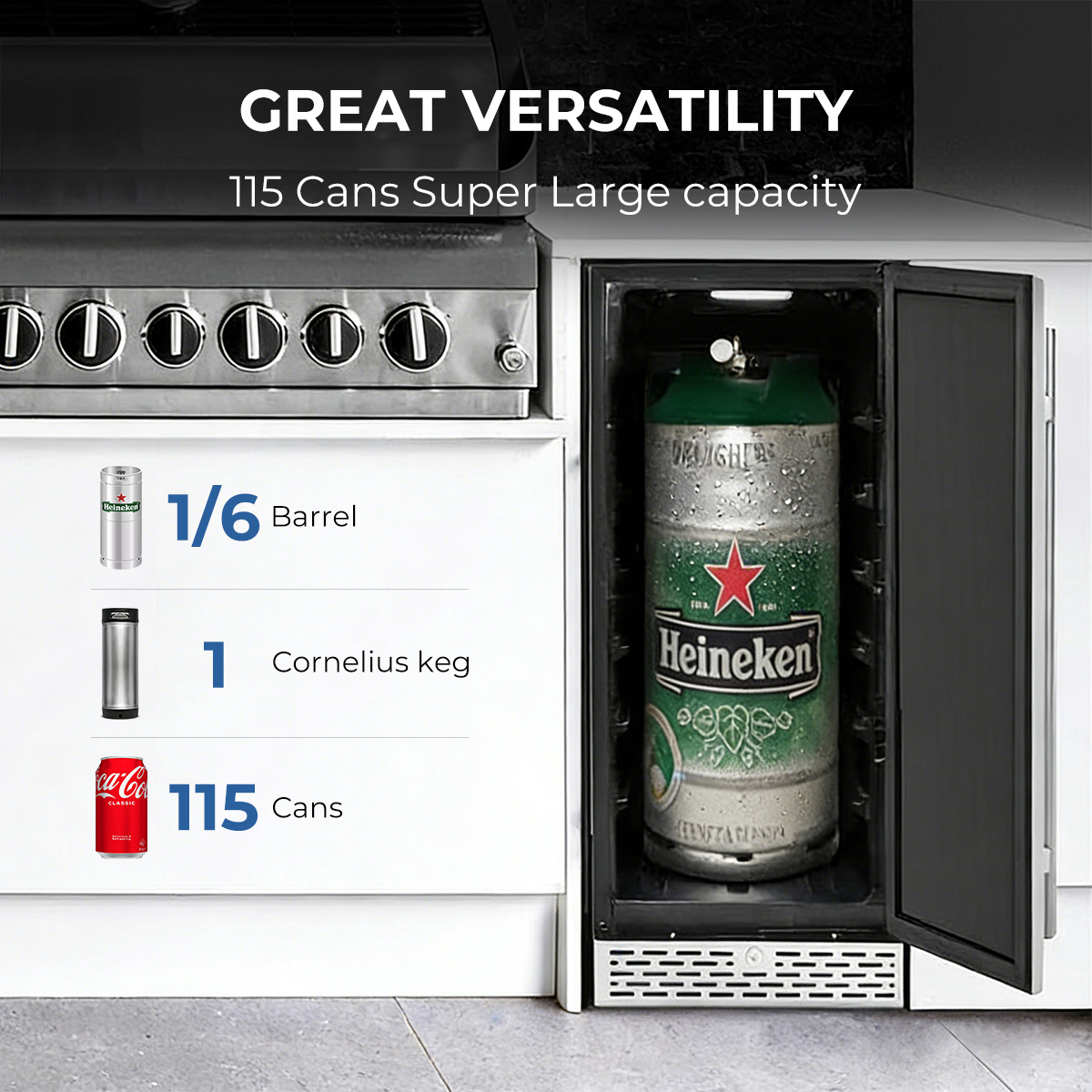
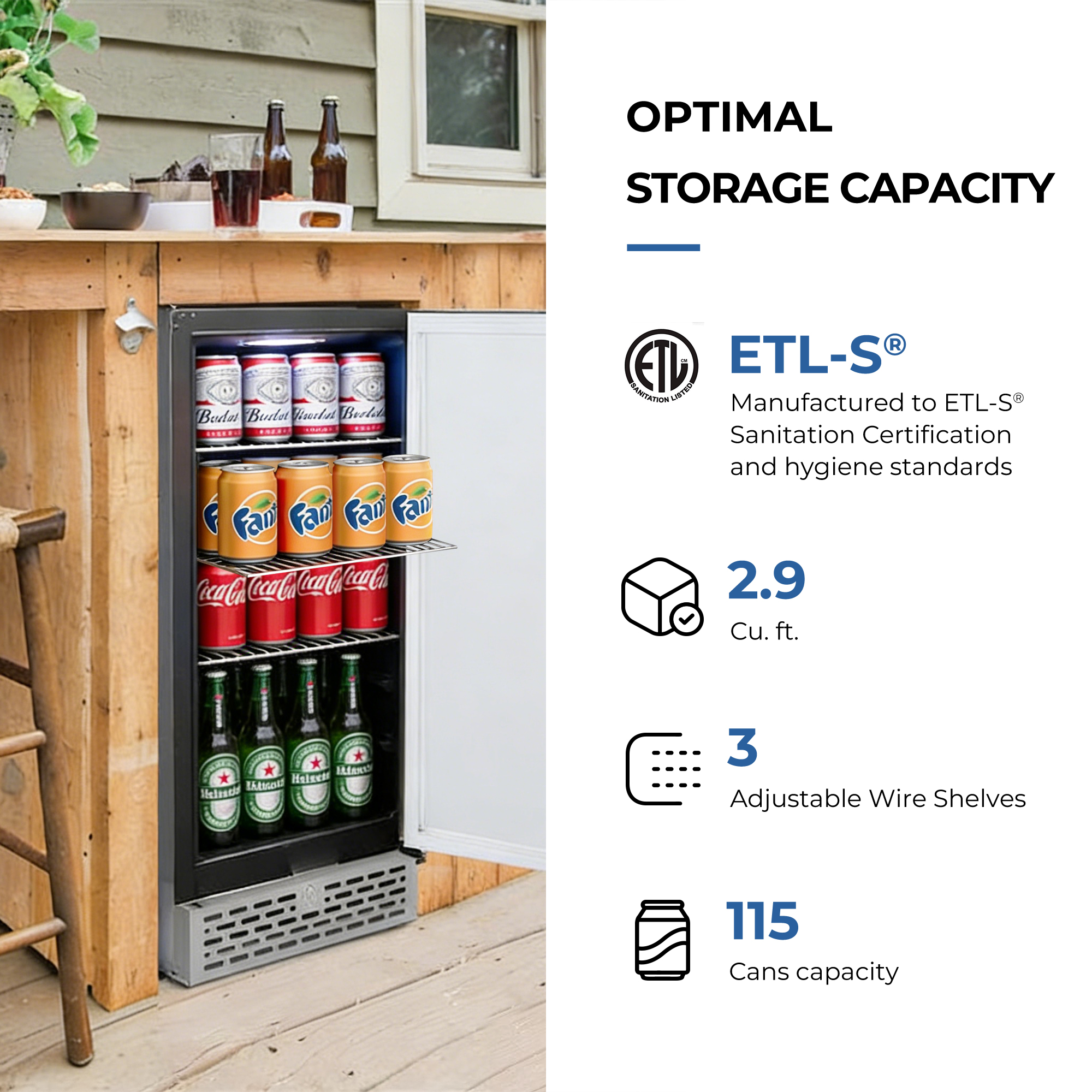
Perfect for storing brew barrels, beer, or other beverages, the Whynter Stainless Steel 2.9 cu. ft. Beer Keg Froster Refrigerator is ideal for kitchens, living spaces, offices, garages, or basements. The Whynter BEF-286SB accommodates up to 115 standard 12 oz. cans, a 1/6 barrel, or a Cornelius keg.
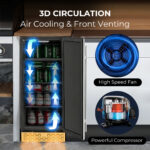
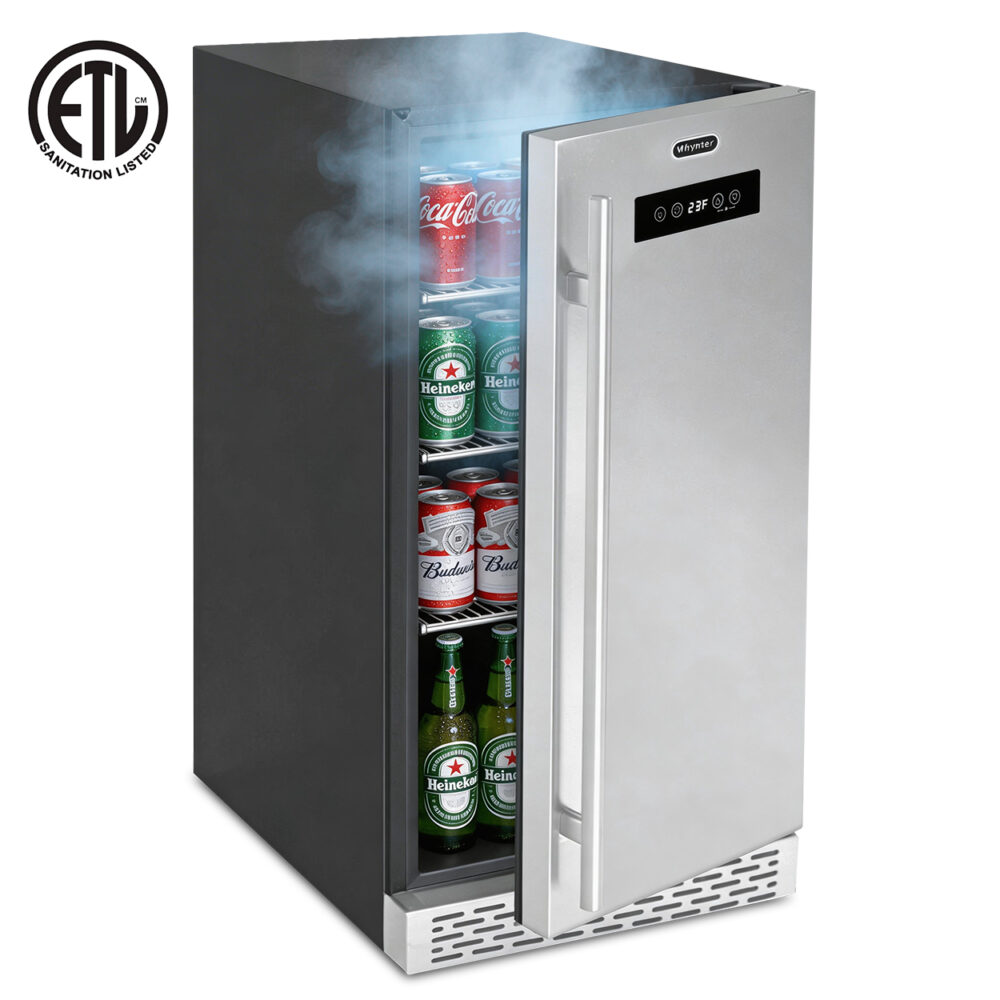
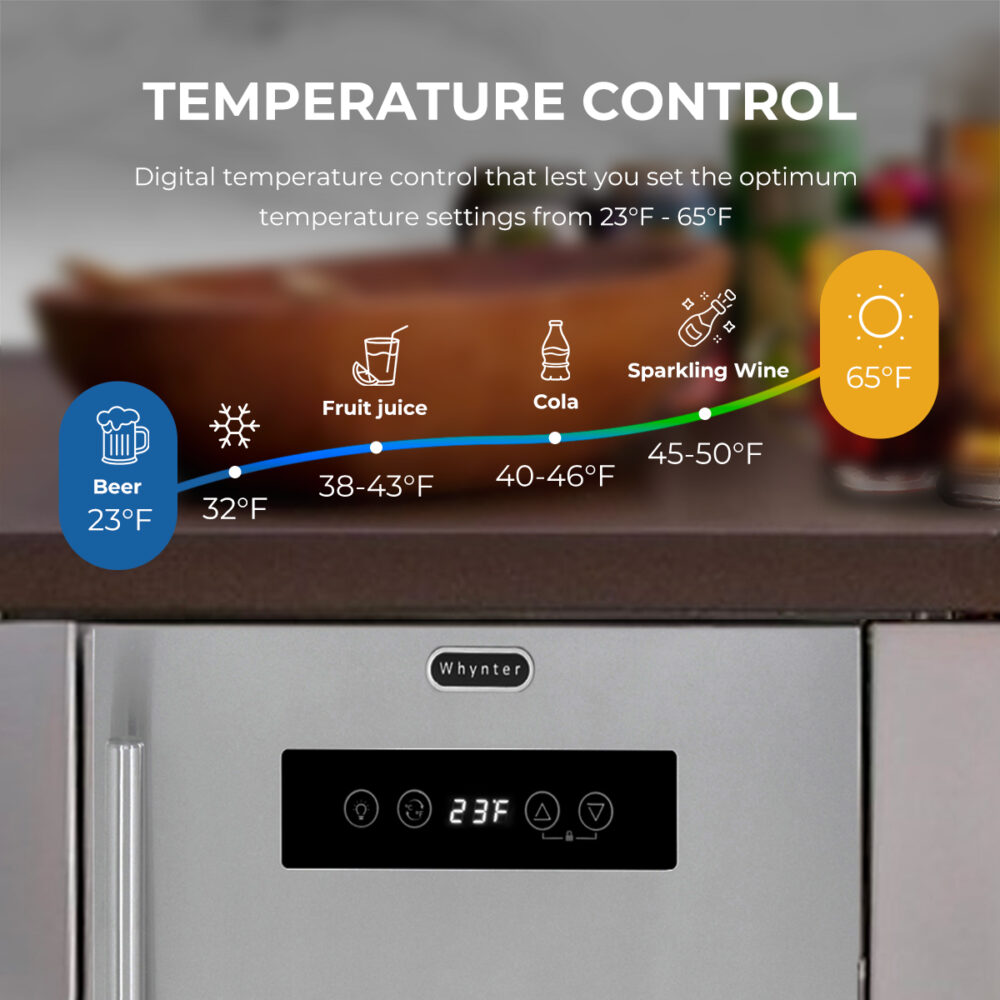
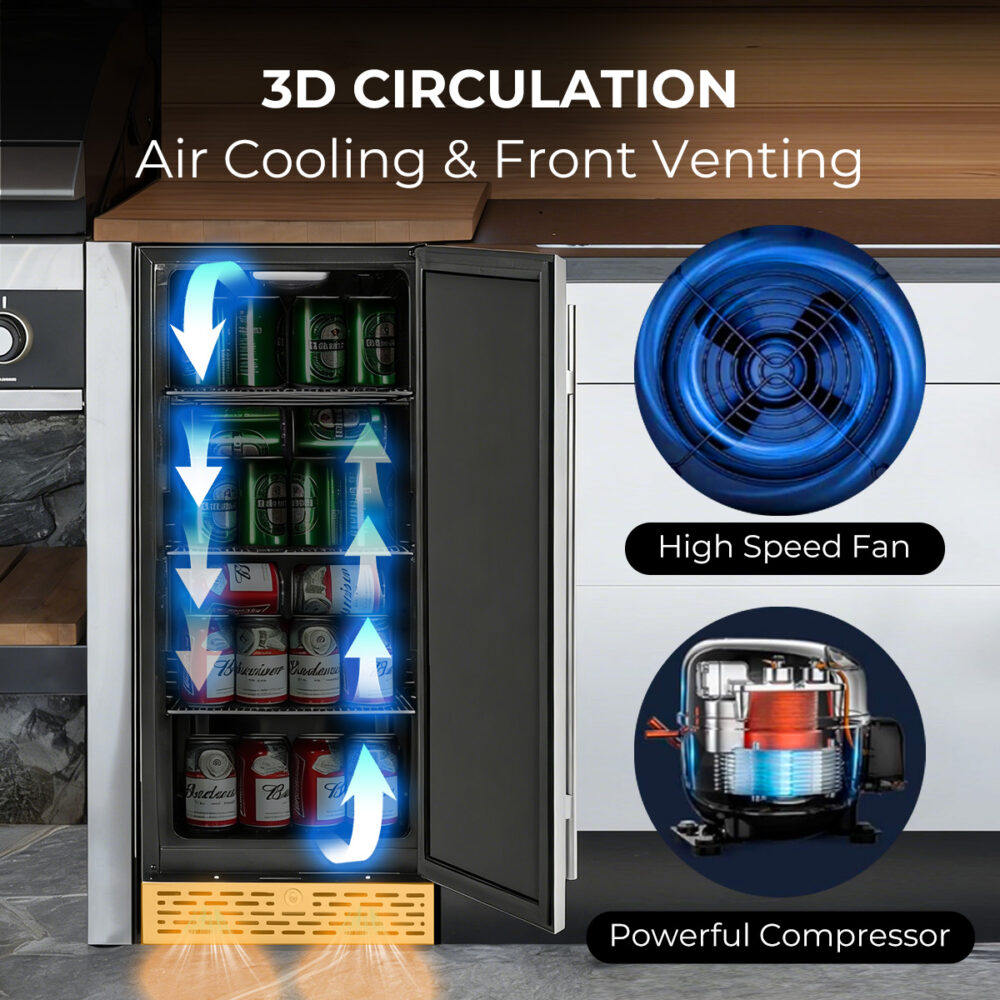
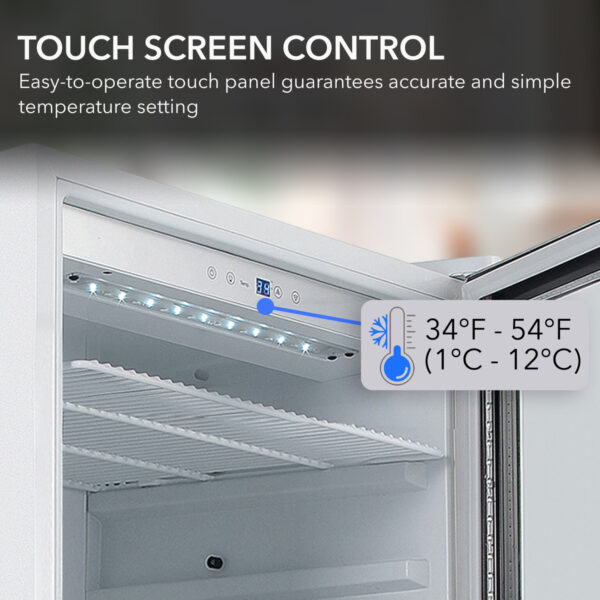
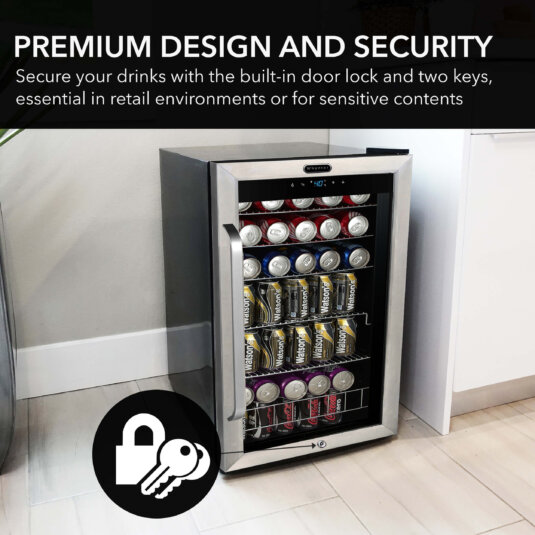
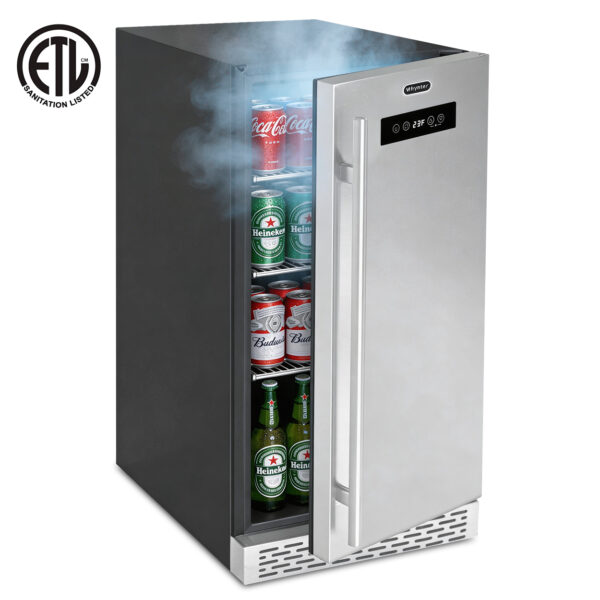
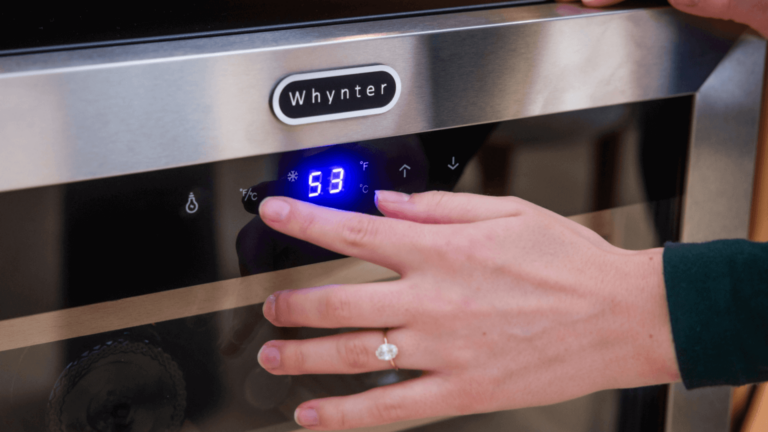
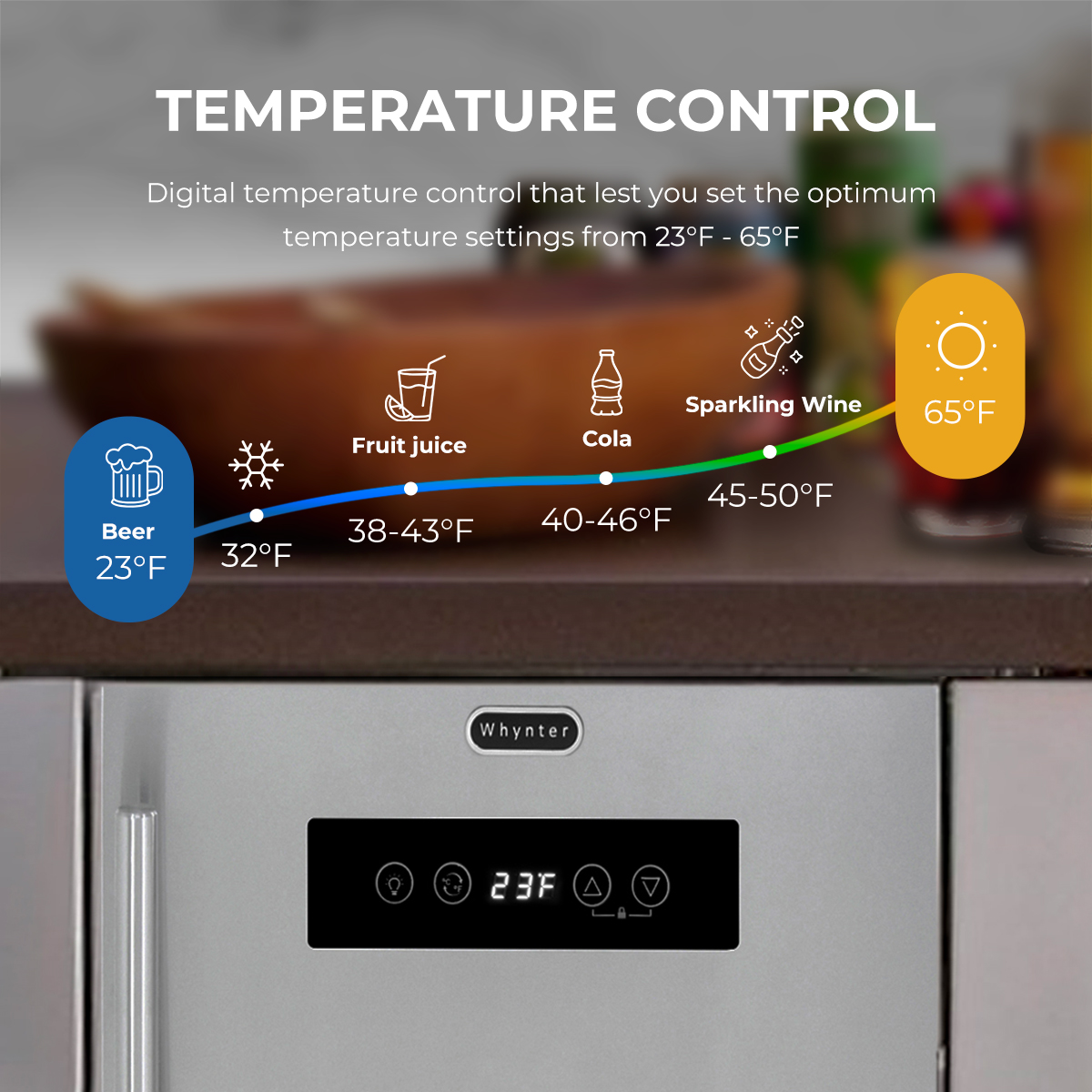
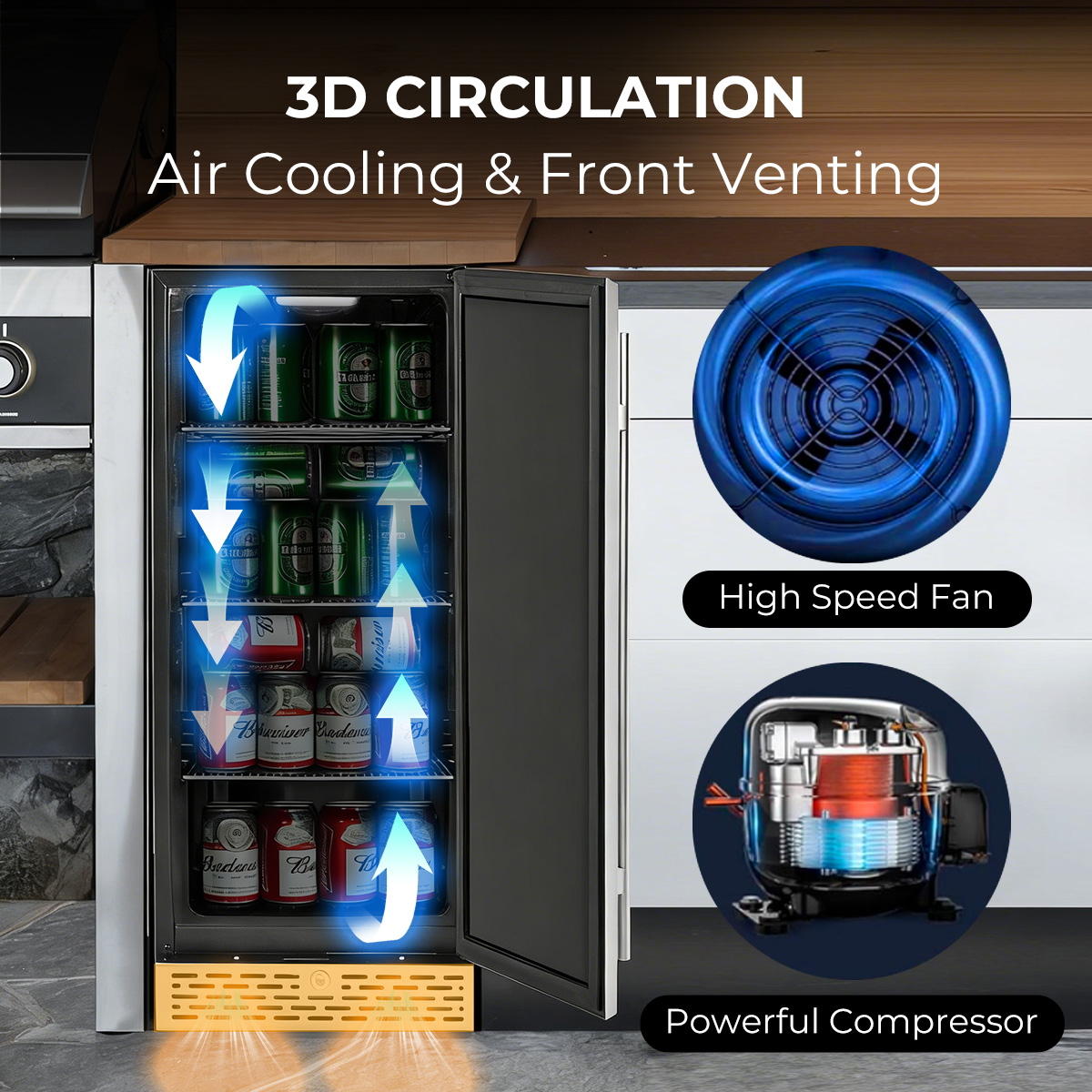
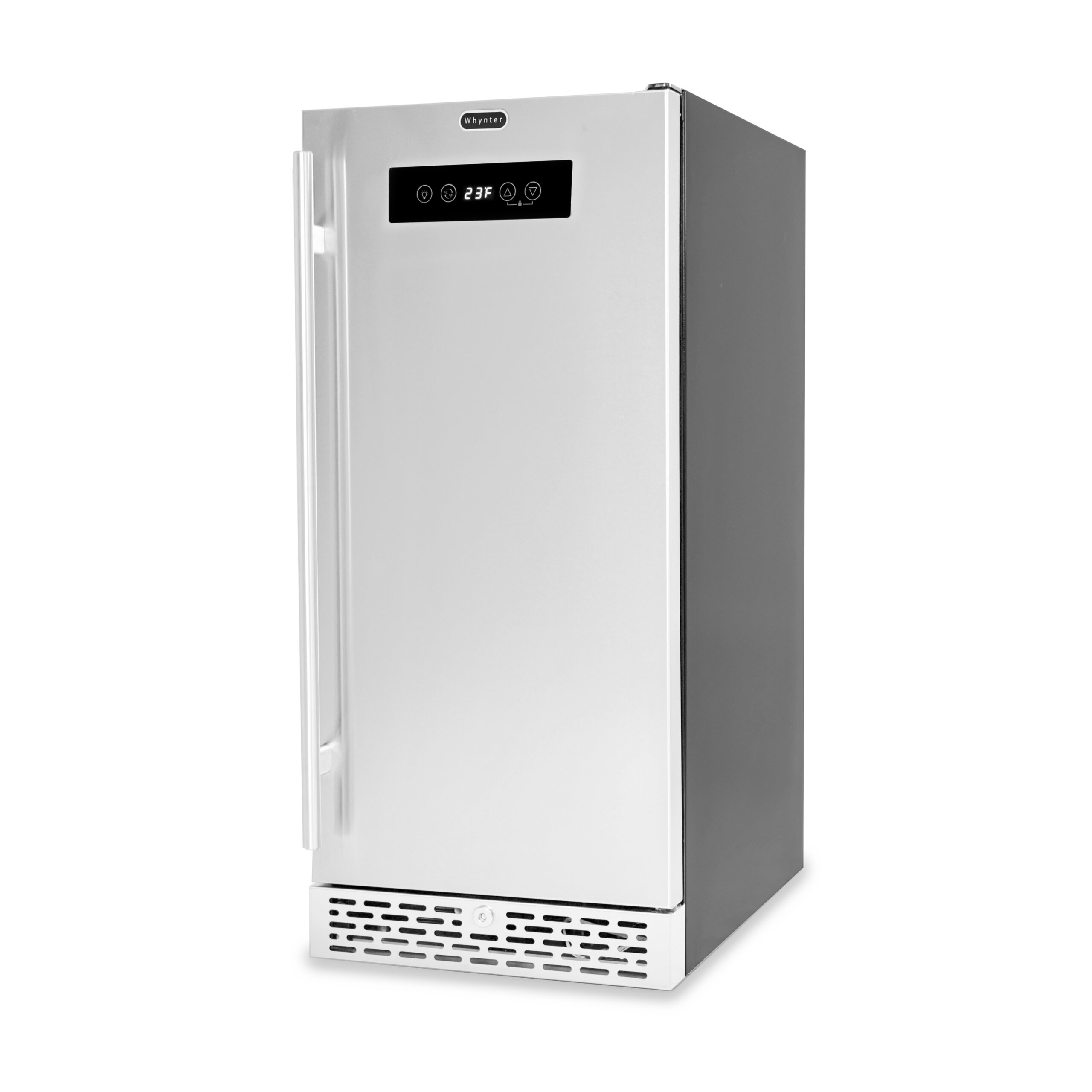
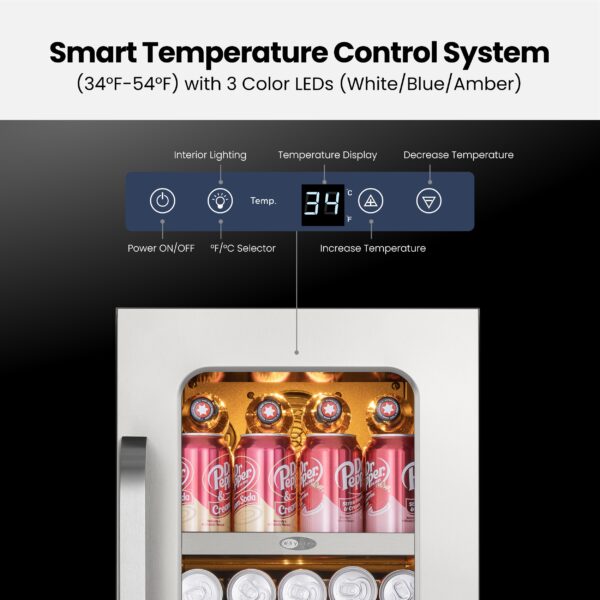
Featuring a stainless steel door, digital temperature control, and a built-in lock, this unit is designed for craft and home brewers to safely store and protect their brew. An internal circulation fan ensures consistent cooling, reaching temperatures as low as 23°F.
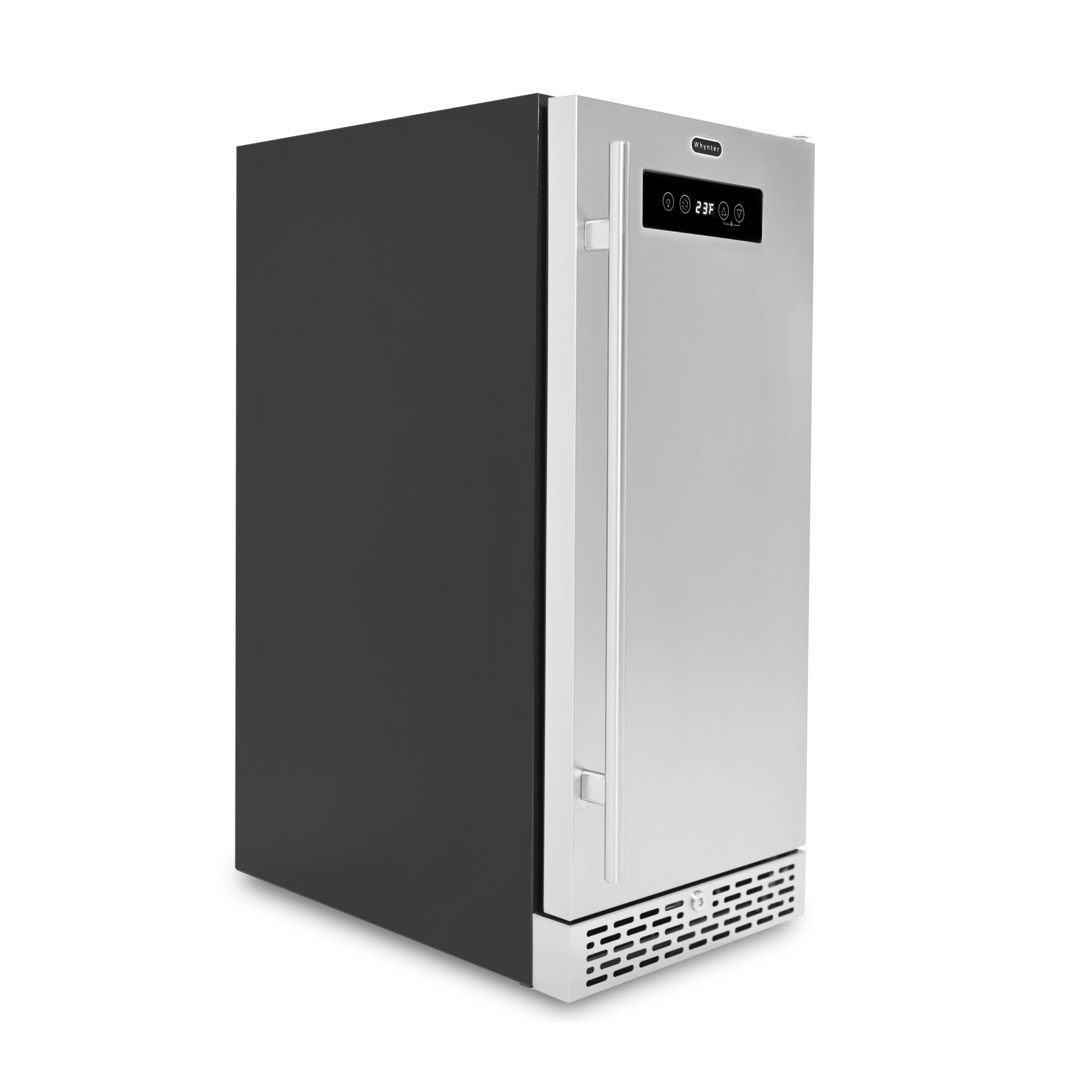
With its stainless steel finish and sleek LED display, this beverage cooler offers a modern, refined look for any setting. It is also built to meet ETL-S® sanitation standards and proudly carries the ETL mark, certifying it as safe for use in food and beverage environments.

Product Video
Specification
Additional information
Features
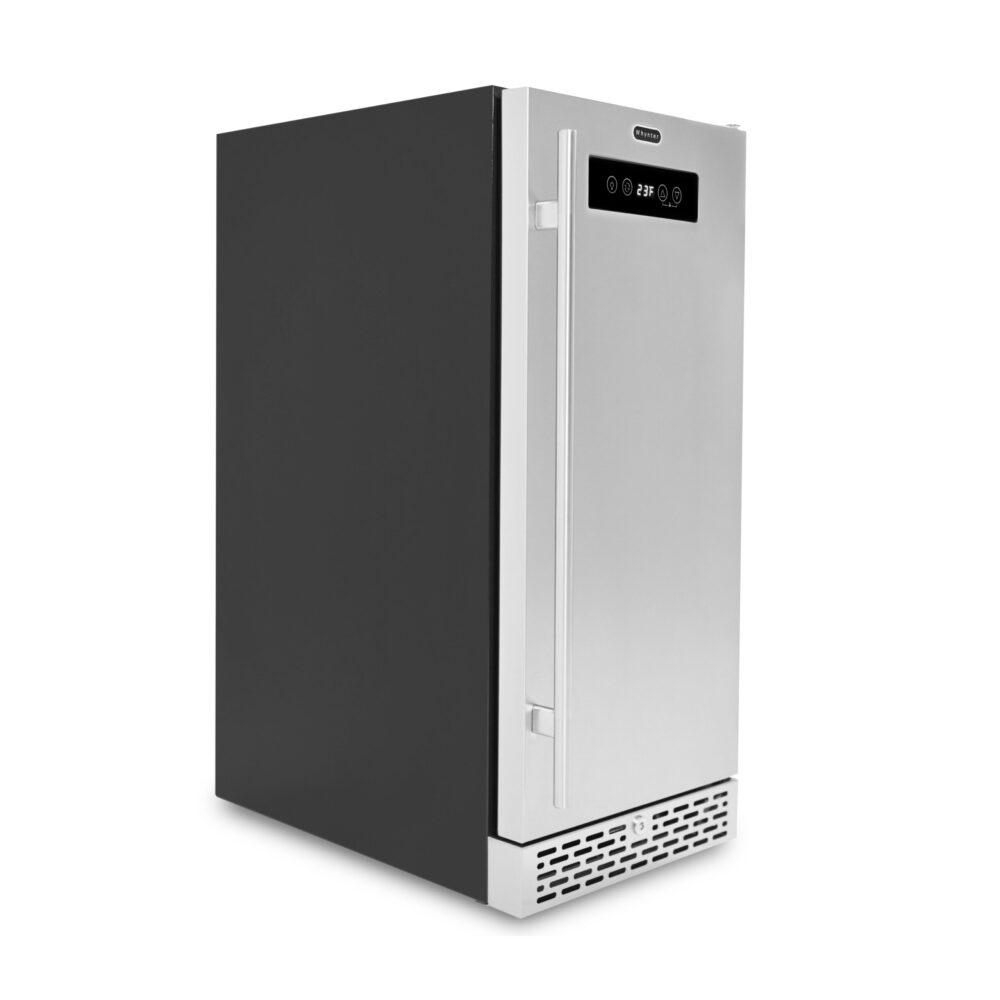
● Color: Stainless steel Door and Black Cabinet
● Capacity: 115 standard beverage cans or 1/6 barrel or 1 Cornelius keg
● Volume: 2.9 cu. ft.
● Built-In or Freestanding Setup
● ETL-S® sanitation Certified
● Ultra cold as 23ºF – 65ºF / -5ºC – 18ºC
● Security lock and two keys
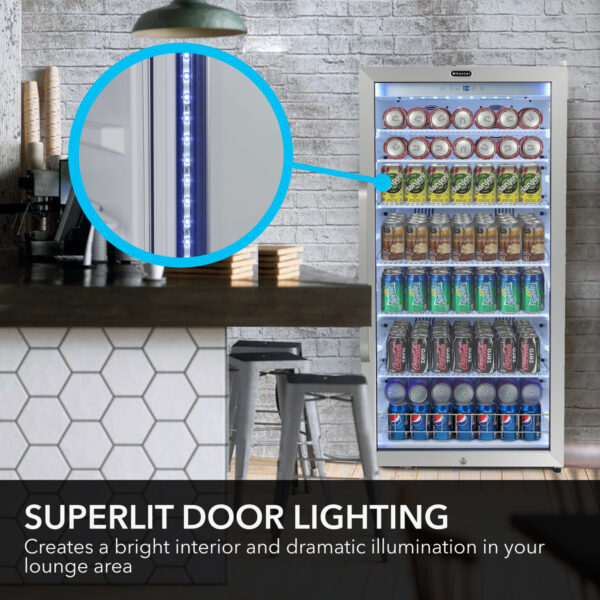
● Interior lighting
● 3 slide-out wire shelves
● Voltage: 115V /60Hz
● Input Power: 100 Watt
● Current: 0.71 Amps
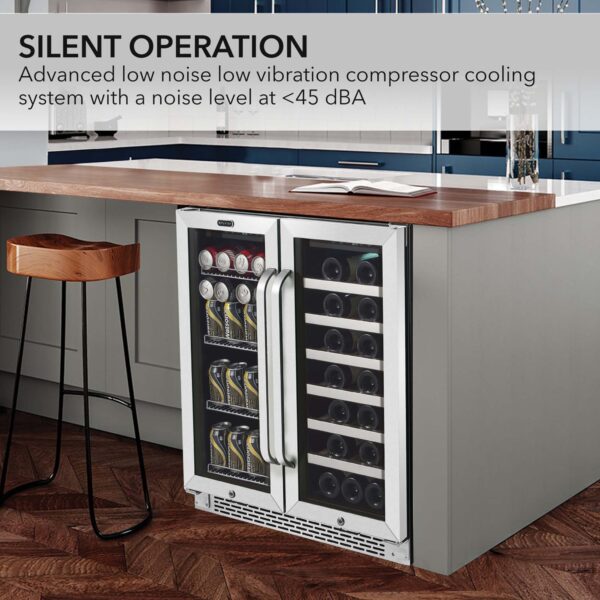
● Noise dBA is 46
● Power consumption: 1.05 kWh/24h
● Product dimensions: 34″H x 15″W x 23.7″D
● Package dimensions: 19″W x 26″D x 39″H
● Net weight: 76 lbs
● Gross weight: 83 lbs
● UPC 850014459017
Awards & Mentions
Accessories
User Manual & Documents
Customer Reviews
Related Products
FAQs
What is the difference between built-in and freestanding beverage fridges?
Built-in models are designed to slide under counters and vent from the front, making them perfect for tight spaces. Freestanding models can go anywhere with proper ventilation around the sides and back.
Can I use a built-in beverage fridge as freestanding?
Yes. Built-in units can operate freestanding, but make sure there’s enough room around the back and sides for airflow to prevent overheating.
Can I use a freestanding beverage fridge as built-in?
No. Freestanding units vent heat from the rear, so enclosing them can trap heat and reduce efficiency or damage the fridge.
How is capacity measured?
Capacity is based on standard 12 oz cans. Storing larger bottles may reduce the total number of beverages that fit.
Will larger cans or bottles fit?
Yes, but some shelves may need to be removed or adjusted to accommodate bottles, craft beer, or specialty beverages.
How much space do I need for ventilation?
Built-in beverage fridges only need clearance at the front for ventilation. Freestanding units require at least 4 to 6″ of space at the back and sides so the compressor can operate efficiently. See the installation manual.
Do the shelves come out?
Yes. Shelves can be removed or repositioned to fit taller cans, bottles, or different types of beverages.
What temperature should I set my beverage fridge to?
Most units are set between 36°F and 50°F. Adjust based on whether you’re storing soda, water, beer, or other beverages. Avoid frequent temperature changes for best results.
Are Whynter beverage fridges noisy?
They operate quietly. You may hear a low hum when the compressor cycles on, but it should not be disruptive.
How long does it take to cool after first plugging in?
Most units reach the set temperature within a few hours. Cooling time depends on ambient temperature, door openings, and how full the fridge is.
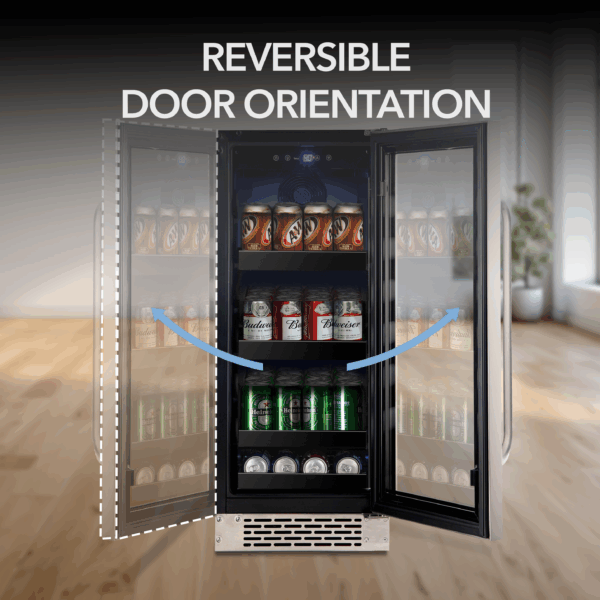
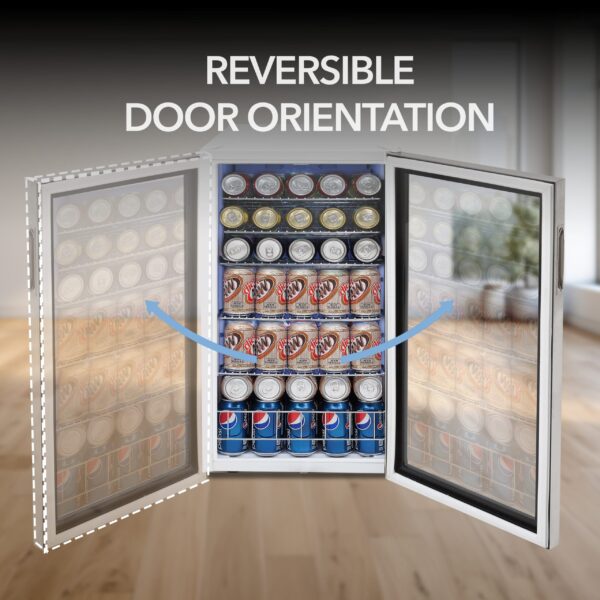
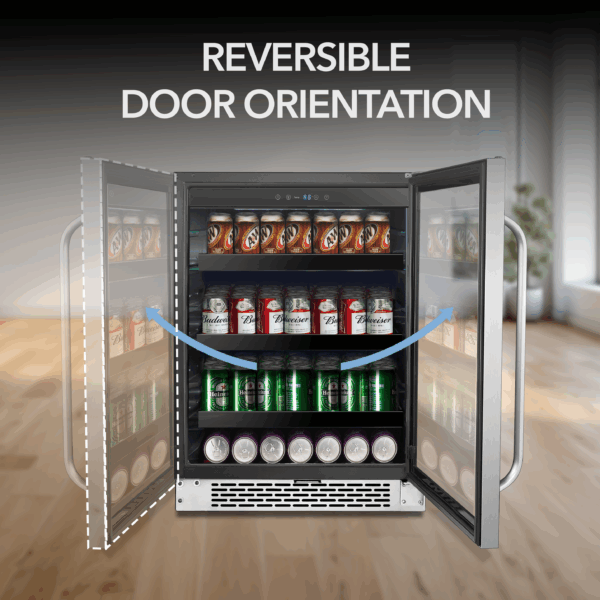
Can the door be reversed?
Many models come with a reversible door, but check your specific model’s guide to confirm.
What should I do if I see condensation inside?
A small amount of moisture is normal, especially in humid environments. If condensation is excessive, check that the door is closing properly and the fridge isn’t overcrowded.
Related Posts


The Importance of Global Reforestation: One Tree at a Time

Keep Your Drinks Ice Cold with the Whynter BEF-286SB Super Cold Beverage Refrigerator

Troubleshooting Common Issues with Whynter Refrigerators