Whynter ICS-167GW | ICS-167TB Troubleshooting Guide
Common Slushy & Soft Serve Issues Explained
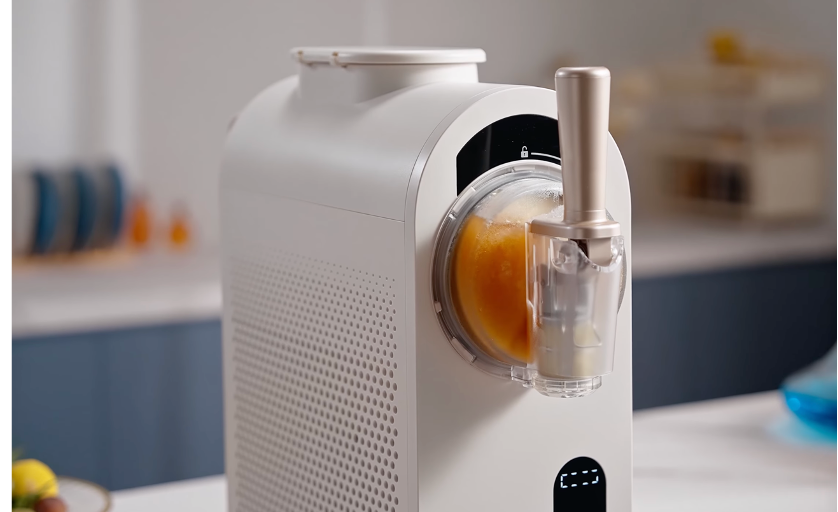
The Whynter ICS-167 Series 7-in-1 Soft Serve Ice Cream Maker & Slushy Machine is designed to create smooth frozen drinks, slushies, milkshakes, frozen cocktails, and soft serve desserts. Most consistency and freezing issues are not caused by the machine itself, but by the balance of sugar, alcohol, temperature, and liquid consistency in the recipe.
For best results:
- Sugar content should generally remain above 6%
- Alcohol content should remain between 2% and 16%
When mixtures fall outside these ranges, the machine may struggle to produce the proper slush consistency.
-
Machine Not Freezing or Running as Liquid
Common Causes
If the mixture stays liquid or never reaches slushy consistency, the issue is usually related to recipe balance rather than the machine itself.
Slushy machines depend on the proper balance of sugar, liquid, and temperature to create smooth frozen textures.
Common causes include:
- Sugar content below 6%
- Warm ingredients added directly to the machine
- Overly diluted recipes
- Using plain water as the primary base
- Zero-sugar recipes without proper substitutes
- Interrupting the freeze cycle too early
Why Sugar Matters
Sugar does more than add sweetness. It helps control freezing consistency and prevents the mixture from becoming a solid block of ice.
Low-sugar mixtures often:
- Freeze unevenly
- Become hard and icy
- Cause dispensing problems
- Create grinding or squeaking noises
- Place additional strain on the paddle system
For best results:
- Maintain sugar content above 6%
- Pre-chill ingredients before use
- Avoid heavily diluted mixtures
Sugar-Free & Sugar Substitute Recipes
Traditional artificial sweeteners may not provide the proper freezing consistency because they lack the viscosity and dissolved solids found in sugar.
Liquid allulose is one of the best sugar alternatives for frozen beverages because it maintains a smooth, syrup-like consistency similar to traditional slush mixes.
Other sugar substitutes may affect texture, freezing time, and consistency differently.
-
Alcoholic Drinks Not Freezing Properly
The Cause
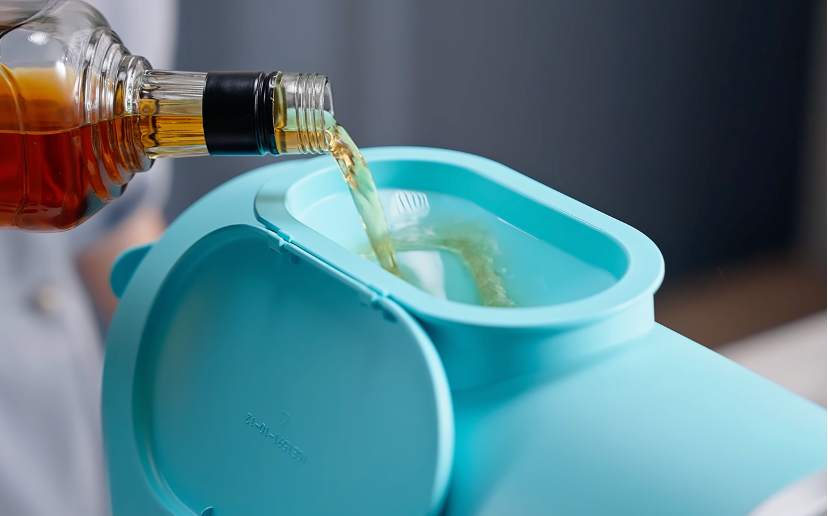
Alcohol lowers the freezing point of liquids. If alcohol levels are too high, the machine may not be able to form slush properly.
For best performance:
- Alcohol content should remain between 2% and 16%
Mixtures outside this range may:
- Stay liquid
- Freeze inconsistently
- Produce watery slush texture
The Fix
- Reduce alcohol concentration
- Add juice, syrup, or soda to rebalance the mixture
- Pre-chill ingredients before adding them to the machine
- Allow the full freeze cycle to complete
Soda can often work better than plain water because it helps dilute alcohol while maintaining the sugar content needed for proper slush consistency.
Popular options include:
- Lemon-lime soda
- Cola
- Ginger ale
- Sparkling fruit sodas
Adding plain water alone can sometimes worsen texture problems because it lowers sugar concentration needed for proper freezing performance.
-
Mixture Freezing Too Solid or Not Dispensing
The Cause
If the machine freezes but does not dispense properly, the mixture has usually frozen too hard near the dispensing area.
This is commonly caused by:
- Not enough sugar in the mixture
- Overly diluted recipes
- Plain water-based mixtures
- Excessively icy consistency
- Fruit chunks or solids blocking the dispensing area
Low-sugar mixtures freeze harder and icier instead of maintaining a smooth slush texture.
The Fix
- Increase sugar or syrup content
- Avoid using plain water as the primary base
- Allow the mixture to sit for 1 to 2 minutes before dispensing
- Gently stir with a silicone spatula if needed
- Briefly warm the exterior dispensing area if clogged
- Avoid large fruit chunks unless fully blended
Smooth, properly balanced mixtures dispense best.
-
Loud Squeaking or Grinding Noises
The Cause
Grinding or squeaking noises are usually caused by the paddle struggling through an overly frozen or dense mixture.
This is most commonly linked to:
- Low sugar content
- Overly diluted recipes
- Mixtures freezing too solid
- Uneven machine placement causing vibration
When sugar levels are too low, the mixture becomes hard and icy rather than soft and slushy, placing additional strain on the paddle system.
The Fix
- Let the mixture soften for several minutes before restarting
- Stir hardened areas to loosen the mixture
- Increase sugar or syrup levels in future batches
- Ensure the machine is placed on a flat, stable surface
- Avoid excessively diluted recipes
Some operational sound during freezing is normal, but excessive grinding typically points to mixture consistency rather than machine failure.
-
Adjusting Firmness Settings
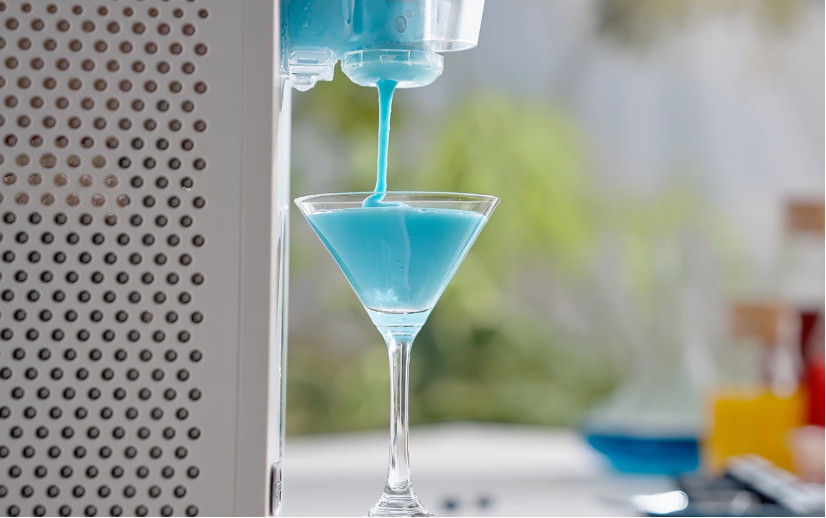
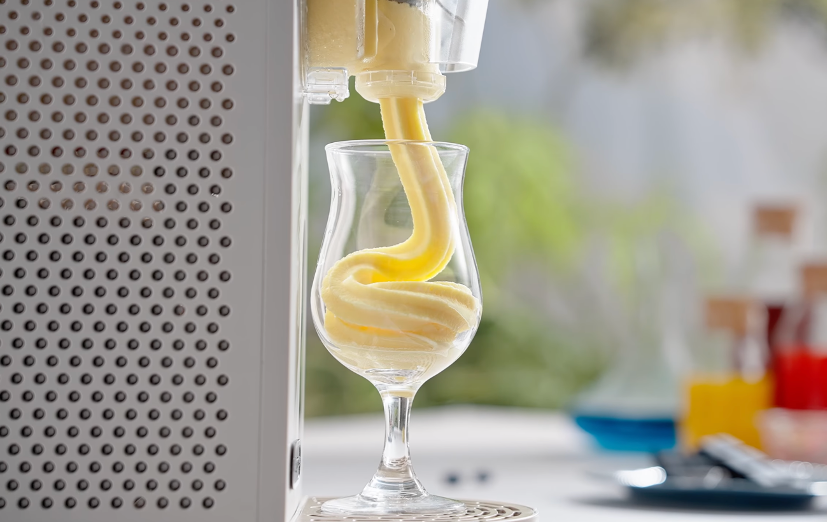
The ICS-167 Series allows you to adjust firmness using the “+” and “−” controls. The machine offers five firmness levels, with higher levels producing a firmer texture at a lower operating temperature.
Lower the Firmness Setting If:
- The mixture freezes too solid
- Dispensing becomes difficult
- The paddle makes grinding or squeaking noises
- Alcoholic drinks become overly icy
Increase the Firmness Setting If:
- The mixture remains too liquid
- Soft serve is too soft
- Slush consistency is too thin
For best results, start with a medium firmness setting and adjust gradually based on the recipe.
Additional Troubleshooting Tips
Pre-Chill Ingredients
Warm liquids straight from the pantry take significantly longer to freeze and may affect final consistency. Refrigerate your base before adding it to the machine.
Avoid Overfilling
Do not exceed the maximum fill line. Overfilling can reduce mixing efficiency and affect freezing performance.
Allow the Full Freeze Cycle
Interrupting the cycle too early may leave the mixture watery or partially frozen.
Maintain Proper Airflow
If mixture ratios are correct but cooling performance drops, dirty condenser coils or poor airflow may reduce efficiency.
For best performance:
- Ensure proper clearance around the machine
- Clean condenser vents regularly
- Avoid placing the machine directly against walls or heat sources
Final Notes
Frozen drink machines rely heavily on recipe balance. In most cases:
- Too much alcohol prevents freezing
- Too little sugar causes over-freezing, dispensing issues, and grinding noises
Maintaining the proper balance of sugar, alcohol, temperature, and consistency is the key to achieving smooth, reliable slush and soft serve results.