How to Get Creamier Texture, Better Firmness & Smoother Dispensing
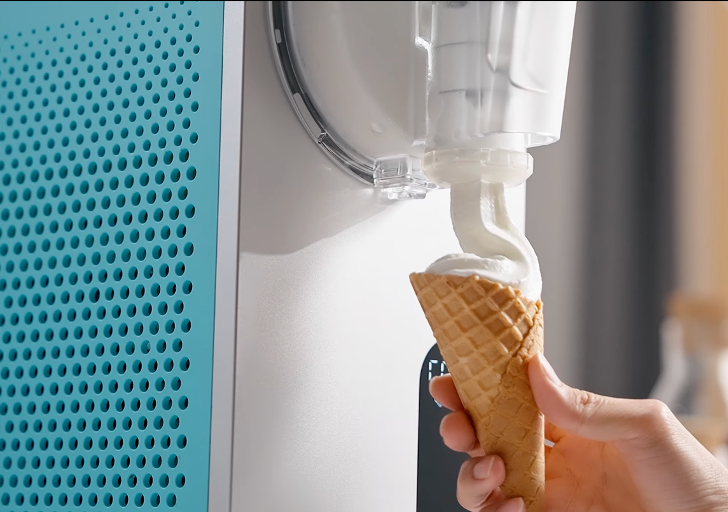
The Whynter ICS-167 Series 7-in-1 Soft Serve Ice Cream Maker & Slushy Machine is designed to make soft serve, slushies, frozen coffee drinks, cocktail slushies, and more without pre-freezing. With its built-in compressor and adjustable firmness settings, the machine can produce smooth, creamy soft serve at home when the recipe is properly balanced.
If your soft serve turns out icy, too soft, difficult to dispense, or overly firm, the issue is usually related to ingredient balance and preparation rather than the machine itself.
1. Use Full-Fat Dairy for Creamier Soft Serve
One of the most common causes of icy soft serve is using low-fat or non-fat dairy products.
Soft serve recipes require enough fat to reduce ice crystal formation and create the smooth texture needed for dispensing.
Low-fat or non-fat dairy tends to:
- Freeze harder
- Become icy
- Lose creaminess
- Dispense less smoothly
For best results:
- Use whole milk instead of skim milk
- Use heavy cream where recipes call for it
- Avoid fat-free dairy substitutions
If your soft serve became icy after using non-fat dairy, that is expected because the mixture lacks enough fat for smooth freezing consistency.
2. Sugar Controls Texture & Dispensing
Sugar does more than add sweetness. It lowers the freezing point and helps keep the ice cream soft enough to dispense properly.
Too little sugar can cause:
- Icy texture
- Over-freezing
- Difficulty dispensing
- Grinding or squeaking noises
- Excess strain on the paddle system
Soft serve recipes require carefully balanced sugar levels for proper consistency.
3. Chill Your Mixture Before Starting
Cold ingredients freeze faster and create a smoother texture.
For best results:
- Chill the ice cream base for at least 4 hours
- Overnight chilling works even better
- Re-whisk the mixture before pouring it into the machine
Warm mixtures take longer to freeze and may produce thinner or icier results.
4. Adjust the Firmness Setting Based on Your Recipe
The ICS-167 Series allows you to adjust firmness using the “+” and “−” controls. The machine offers five firmness levels, with higher levels producing a firmer texture at a lower operating temperature.
Different recipes freeze differently depending on fat, sugar, dairy alternatives, and ingredient thickness.
Lower the Firmness Setting If:
- Ice cream freezes too hard
- The texture becomes icy
- Dispensing becomes difficult
- The paddle struggles during operation
Increase the Firmness Setting If:
- The mixture remains too soft
- Ice cream does not hold shape
- Soft serve melts too quickly
Start with a medium firmness setting and adjust gradually.
5. Dairy-Free Ice Cream Tips
Dairy-free recipes freeze differently than traditional dairy recipes.
For firmer, creamier results:
- Use oat, almond, or cashew products instead of coconut-based products
- “Barista” style dairy-free milks usually create smoother texture
- Use dairy-free creamers in place of heavy cream
To improve body and creaminess:
- Add 1 tablespoon corn syrup
- Add 1 tablespoon olive oil
- Use nut butters for added richness
- Blend silken tofu into recipes for additional body
6. Ingredients That Improve Texture & Firmness
Commercial soft serve often contains stabilizers and emulsifiers that improve texture and consistency. Homemade recipes can benefit from a few simple additions.
Helpful Texture Boosters:
Malted Milk Powder
Adds body, protein, and creaminess while improving firmness.
Cream Cheese
Adds fat and stabilizers for smoother texture.
Liquid Sugars
Corn syrup, maple syrup, or simple syrup can reduce iciness and improve softness.
Brown Sugar
Replacing part of the white sugar with brown sugar can improve consistency.
Xanthan Gum
A small amount can help stabilize the mixture and reduce icy texture.
7. Keep Mixtures Smooth
Soft serve mixtures should always be completely smooth before freezing.
Lumps, seeds, or chunks can:
- Affect texture
- Prevent smooth dispensing
- Potentially damage internal components
For best results:
- Whisk ingredients thoroughly
- Dissolve sugars completely
- Sift powders before mixing
- Strain mixtures if necessary
8. Avoid Overfilling the Machine
Do not exceed the MAX fill line.
Overfilling can:
- Reduce mixing efficiency
- Affect freezing performance
- Cause inconsistent texture
- Impact dispensing
9. Dispense Shortly After the Cycle Completes
In Ice Cream mode, the machine maintains cooling for approximately 30 minutes after the cycle finishes.
For best texture:
- Dispense shortly after the cycle completes
- Serve within the insulation window
- Avoid leaving finished ice cream sitting too long inside the machine
Soft serve melts faster than traditional hard ice cream because it remains at a softer serving temperature.
10. Creating New Flavors Successfully
Soft serve recipes are precise formulas, so adding too many extra ingredients can affect texture and firmness.
The easiest way to create new flavors is to:
- Start with a vanilla base
- Swap extracts or flavorings
- Add finely processed freeze-dried fruit powders
- Chill flavored mixtures before freezing
This helps maintain the proper balance needed for smooth soft serve consistency.
Final Notes
Achieving smooth, creamy soft serve with the Whynter ICS-167GW | ICS-167TB comes down to:
- Using enough fat
- Maintaining proper sugar balance
- Thoroughly chilling ingredients
- Using the correct firmness setting
- Avoiding overly diluted recipes
Small recipe adjustments can dramatically affect texture, firmness, and dispensing performance. With the right ingredient balance and preparation, the ICS-167 Series can consistently produce rich, creamy soft serve at home.