Quick, what’s your favorite ice cream flavor?
Strawberry? Peach? Blueberry?
Chances are, fruit flavors rank among your favorites. But while grocery store freezers are filled with fruity frozen treats, fresh fruit can be surprisingly difficult to work with when making homemade ice cream.
The reason is simple: water.
Most fruits contain between 80% and 90% water. When that excess water freezes, it forms large ice crystals that separate from the fats and sugars in your ice cream base. Instead of a smooth and creamy texture, you end up with hard, crunchy ice chunks throughout your dessert.
To create professional-quality fruit ice cream at home, the key is reducing the amount of free water in the fruit before adding it to your base.
There are two simple ways to do this: maceration and dehydration.
Method 1: Maceration
Maceration is one of the easiest and most effective ways to prepare fruit for ice cream.
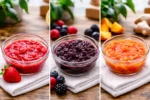
Simply coat the fruit with sugar and allow it to rest. Through a process called osmosis, the sugar draws water out of the fruit, creating a rich, flavorful syrup while reducing the amount of free water that could form ice crystals during freezing.
Once macerated, the fruit can be used in two ways:
Fruit Puree
For a smooth, ice cream shop-style texture, blend the macerated fruit into a puree.
The fruit’s cell walls break down, releasing natural pectin, a fiber that helps thicken the mixture and create a rich, silky consistency. The result is a concentrated fruit flavor that blends evenly throughout the ice cream.
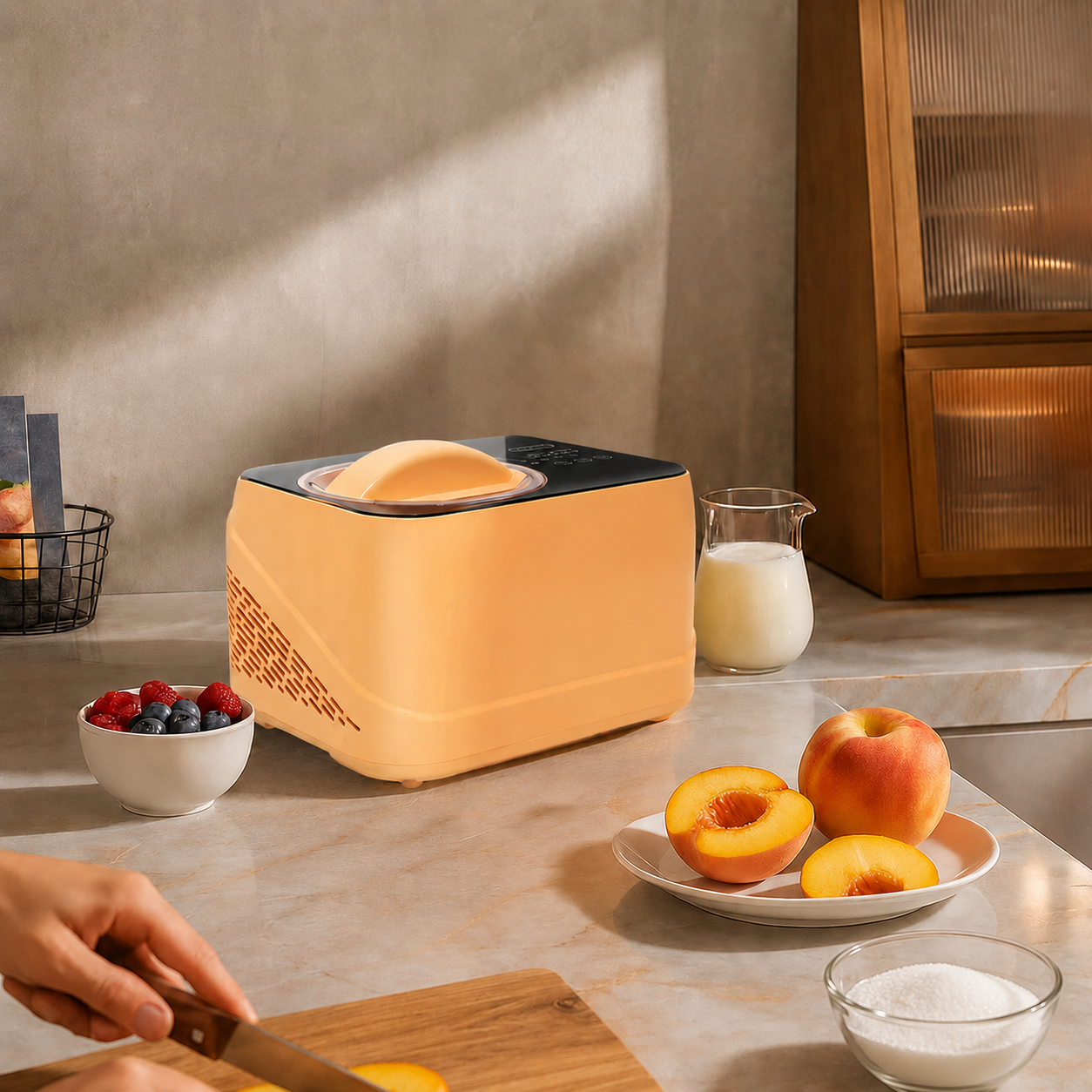
This works especially well when you’re using your Whynter ice cream maker, since the machine’s consistent churning helps incorporate the puree into a smooth, creamy base.
Fruit Chunks
If you prefer pieces of fruit in every bite, simply leave the macerated fruit whole or lightly mash it before folding it into your churned ice cream.
The fruit retains its texture while the sugar syrup helps prevent excess crystallization.
For best results, add the fruit near the end of the churning process in your Whynter ice cream maker so it stays evenly distributed without breaking down too much.
Method 2: Dehydration
If you’d rather avoid adding extra sugar, dehydration offers another effective solution.
By baking or air-frying fruit pieces, moisture is removed through evaporation. As water leaves the fruit, the natural flavors become more concentrated and intense.
A dedicated dehydrator like the Whynter TSO-488GB Multi-Function Combi Oven can make this process especially convenient. It gives you a controlled way to dry fruit evenly, helping you prepare strawberries, peaches, mangoes, apples, and other fruits for ice cream without introducing extra liquid into your base.
Properly dehydrated fruit should feel tacky to the touch and remain soft and pliable rather than brittle. At this stage, much of the excess water has been removed, making the fruit ideal for mixing into ice cream without disrupting its texture.
The result is flavorful fruit pieces that remain tender and delicious while helping maintain a smooth, creamy frozen dessert.
The Secret to Better Fruit Ice Cream
Whether you choose maceration or dehydration, both methods accomplish the same goal: reducing excess water before freezing.
Less free water means fewer ice crystals, smoother texture, and more concentrated fruit flavor.
The next time you’re making strawberry, peach, blueberry, mango, or any other fruit ice cream, remember that success isn’t just about adding fruit. It’s about preparing the fruit properly first.
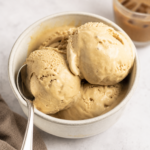
Do that, and you’ll be rewarded with creamy scoops, vibrant flavor, and homemade ice cream that rivals your favorite ice cream shop.